
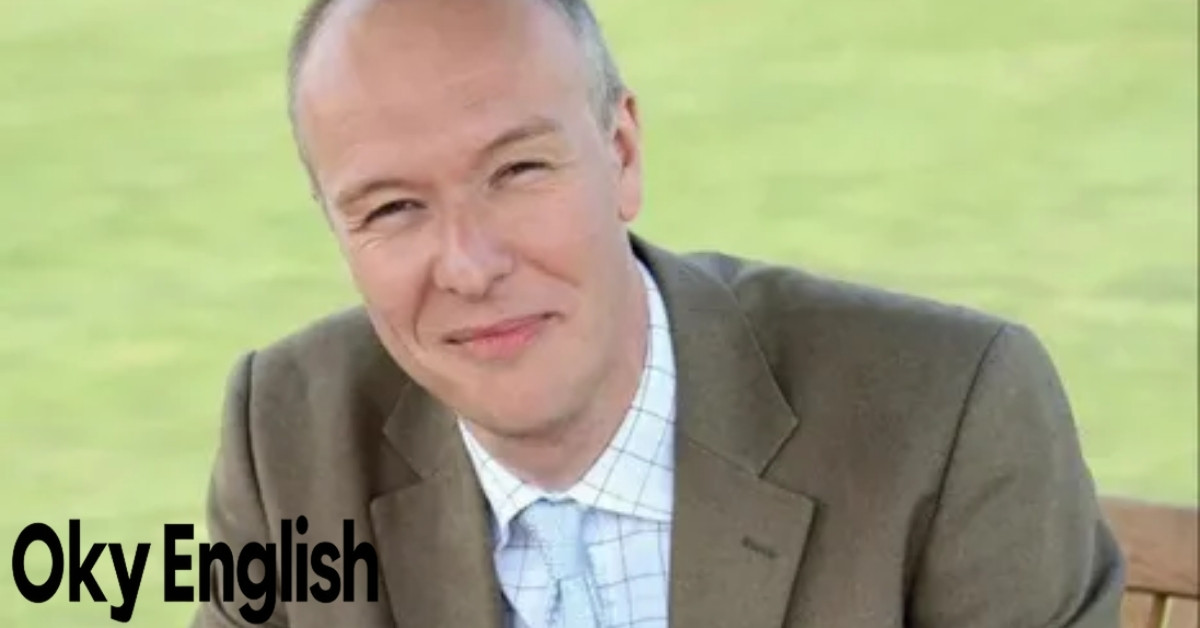
Fergus Gambon stands as a respected antiques expert known for deep knowledge in ceramics, porcelain, and British art history. His work connects centuries-old craftsmanship with modern collectors who value authenticity and cultural meaning. As a Fergus Gambon antiques expert, he has built a reputation through roles linked to Bonhams, Antiques Roadshow BBC, and private consultancy across international markets, including the USA.
His expertise in Georgian ceramics, Victorian porcelain, and British delftware reflects a sharp eye for detail and provenance. Coming from the Gambon family legacy, he blends heritage awareness with professional precision, making him a trusted name in art history preservation and heirloom valuation today.
Fergus Gambon Bio
| Category | Details |
| Full Name | Fergus Gambon |
| Profession | Antiques expert, ceramics specialist, cultural heritage consultant |
| Known For | British ceramics valuation, Antiques Roadshow BBC appearances |
| Family Background | Son of Sir Michael Gambon, part of Gambon family legacy |
| Key Expertise | Georgian ceramics, Victorian porcelain, British delftware, faience |
| Major Work Experience | Bonhams auction house specialist in ceramics and fine art |
| Special Focus | Ceramic provenance tracing and heirloom valuation |
| Public Platform | Antiques Roadshow specialist (BBC-related programming) |
| Industry Role | Director-level expertise in British ceramics and glass sector |
| Core Strength | Authenticity verification and historical artifact interpretation |
| Geographic Influence | UK-based with strong recognition among USA collectors |
| Professional Reputation | Trusted ceramics valuation expert with academic and auction credibility |
| Work Style | Detail-driven, research-focused, and ethics-centered approach |
| Privacy Status | Maintains low public exposure and private personal life |
Early Life and Family Background
Fergus Gambon’s early life is often discussed in connection with the Gambon family legacy, particularly as the Michael Gambon son of the acclaimed actor Sir Michael Gambon. Growing up in a culturally enriched environment, he was exposed to artistic expression, storytelling, and historical awareness from an early age. The influence of Anne Miller Gambon, his mother, also played a grounding role in shaping his balanced worldview, blending creativity with discipline.
This family background created a natural curiosity for objects that carry history. While many children explore toys or sports, Fergus developed an early fascination with artifacts and heirlooms. This curiosity gradually evolved into a structured interest in antiques and material culture. Being part of the Sir Michael Gambon family meant exposure to creative industries, yet Fergus chose a different path, one rooted in preservation rather than performance.
His upbringing also provided access to museums, private collections, and cultural discussions, which later informed his understanding of art history preservation. These experiences formed the foundation of what would become a lifelong commitment to antiques expertise and cultural storytelling through objects.
Education and the Spark of Passion
Education played a crucial role in shaping Fergus Gambon’s intellectual foundation, particularly in art history and cultural studies. His academic journey strengthened his analytical approach to antiques, allowing him to evaluate not only aesthetic value but also historical significance. This is where his identity as a British ceramics expert began to form.
During his studies, he developed a fascination with ceramic provenance tracing, learning how objects like Faience ceramics and creamware pieces could reveal trade routes, manufacturing techniques, and social history. Unlike surface-level appreciation, Fergus approached antiques as historical documents.
A key turning point came when he encountered early examples of Georgian ceramics and Victorian porcelain, which sparked a deeper passion for classification and valuation. This academic curiosity later translated into professional expertise in porcelain and pottery expert circles.
His education was not limited to classrooms. Visits to museums, archives, and private collections acted as living laboratories. These experiences helped him understand how antiques function as cultural memory. This blend of formal education and experiential learning laid the groundwork for his later success at auction houses and television platforms.
Career Beginnings at Bonhams
Fergus Gambon’s entry into the professional antiques world began at Bonhams auction house, one of the most respected institutions in the field. As part of Fergus Gambon Bonhams experience, he learned the complexities of valuation, buyer psychology, and market trends.
Working in such a high-pressure environment required precision. Every object had to be assessed for authenticity, condition, and historical relevance. Fergus quickly developed a reputation for his sharp eye, particularly in identifying undervalued ceramics.
His early career involved working closely with 17th to 19th century pottery, including rare pieces of British delftware and creamware. He also contributed to cataloging high-value collections, often collaborating with senior experts and auction directors.
The experience at Bonhams shaped his professional identity as a Ceramics valuation expert and later as a Director British Ceramics and Glass specialist. It also introduced him to international collectors, especially from the United States, where demand for European ceramics remained strong.
This period marked the transition from academic knowledge to applied expertise, setting the stage for his later media presence and consultancy roles.
Antiques Roadshow: The Face of Expertise
Fergus Gambon gained wider recognition through his involvement as an Antiques Roadshow specialist, where his approachable yet authoritative style resonated with audiences. His presence on Antiques Roadshow BBC segments helped demystify antiques valuation for the public.
Viewers were particularly drawn to his ability to explain complex historical details in simple terms. Whether evaluating Victorian porcelain or rare Faience ceramics, Fergus combined storytelling with technical insight.
One memorable appraisal involved a seemingly ordinary ceramic bowl that turned out to be a rare Georgian piece worth significantly more than expected. Such moments highlighted his expertise and reinforced public trust in his judgment.
His television presence also contributed to increased interest in Antiques expert Britain programming in the United States, where collectors began to follow British auction trends more closely.
Beyond valuation, Fergus used the platform to educate audiences about cultural heritage preservation, emphasizing that antiques are not just investments but historical witnesses.
A Life Beyond the Camera
Away from television, Fergus Gambon maintains a focused professional life centered on consultancy and research. His work often involves advising private collectors, museums, and institutions on acquisitions and valuations.
As a auction house director figure in ceramics specialization, he contributes to catalog development and historical authentication projects. His expertise is frequently sought in cases involving rare British delftware and creamware collections.
He also dedicates time to research projects involving ceramic provenance tracing, ensuring that artifacts are correctly documented and preserved. This behind-the-scenes work is essential in maintaining market integrity.
Despite public recognition, Fergus prefers a low-profile lifestyle, focusing on intellectual contribution rather than media attention. This balance allows him to remain deeply engaged in his field without distraction.
The Influence of Michael Gambon
The connection to Sir Michael Gambon often brings public curiosity. As the Michael Gambon son, Fergus shares a legacy of artistic excellence, though in a different discipline. The Gambon family legacy reflects both performance art and historical preservation.
While Michael Gambon was known for his commanding presence on stage and screen, Fergus channels a quieter form of storytelling through objects and artifacts. Both share a commitment to detail and authenticity.
Family influence played a subtle yet powerful role in shaping Fergus’s discipline and work ethic. Exposure to creative industries helped him appreciate the emotional weight of storytelling, which he now applies to antiques interpretation.
This connection continues to spark interest among audiences who admire the intersection of art, history, and cultural legacy within the Gambon family.
Fergus Gambon’s Expertise in Ceramics
Fergus Gambon’s specialization in ceramics defines much of his professional identity. As a Fergus Gambon ceramics specialist, he focuses on identifying, authenticating, and valuing complex ceramic traditions.
His expertise includes Georgian ceramics, Victorian porcelain, creamware, and rare Faience ceramics. He is particularly skilled in distinguishing authentic pieces from reproductions through glaze analysis, pattern recognition, and kiln-mark identification.
He also works extensively with British delftware, a category that requires deep historical understanding due to its variations across regions and centuries.
His role often involves tracing provenance to ensure historical accuracy. This makes him a respected ceramics valuation expert in both academic and commercial circles.
Collectors in the United States frequently consult experts like Fergus when acquiring European ceramics, especially for museum-grade collections.
Character and Professional Ethos
Fergus Gambon is known for his disciplined and ethical approach to antiques evaluation. Integrity plays a central role in his work, particularly when dealing with high-value items.
He believes that antiques should be evaluated based on historical truth rather than market speculation. This principle has earned him respect among peers in cultural heritage preservation circles.
His professional ethos emphasizes transparency, careful documentation, and respect for cultural artifacts. He avoids sensationalism, focusing instead on accuracy and education.
This approach strengthens trust between collectors, institutions, and experts, reinforcing the credibility of the antiques market.
The Private Collector’s Spirit
Beyond his professional role, Fergus Gambon maintains a personal appreciation for collecting. His interest is not driven by wealth but by historical curiosity.
As discussions around Fergus Gambon net worth often appear in media, it is important to note that his collecting philosophy prioritizes meaning over monetary value.
He is drawn to objects that tell stories, particularly those connected to everyday life in historical periods. This includes modest ceramics as well as rare museum-level pieces.
His collecting approach reflects a deep respect for craftsmanship and cultural continuity.
Public Perception and Legacy
Public perception of Fergus Gambon continues to grow positively, especially through media exposure and professional contributions. His work on Antiques Roadshow BBC has made him a recognizable figure in antiques education.
He is seen as a trustworthy Fergus Gambon antiques expert, known for clarity and precision. In the United States, his reputation has expanded through online content and auction collaborations.
His legacy lies in education, particularly in making antiques accessible to wider audiences. He has helped bridge the gap between academic research and public interest.
The Question of Wealth
Discussions about Fergus Gambon net worth often overlook the nature of antiques expertise. Unlike commercial celebrities, his value lies in knowledge and professional contribution.
Income in his field typically comes from consultancy, auction work, and advisory roles within institutions like Bonhams auction house.
While financial success exists, it is secondary to cultural impact. His work demonstrates that expertise in antiques is as much about preservation as it is about valuation.
Personal Life and Privacy
Fergus Gambon maintains a private personal life, avoiding unnecessary public exposure. Queries such as Fergus Gambon married often remain unanswered publicly, reflecting his preference for privacy.
He separates professional work from personal matters, allowing him to maintain focus on research and consultancy.
This discretion aligns with many professionals in cultural heritage fields who prioritize intellectual work over celebrity culture.
Cultural Impact of the Gambon Family
The Gambon family legacy extends beyond acting into cultural preservation and intellectual contribution. While Sir Michael Gambon is celebrated in performing arts, Fergus represents continuity in a different form.
Their combined influence highlights how artistic families often contribute across multiple disciplines.
This cross-disciplinary legacy strengthens public interest in both performing arts and historical preservation.
Continuing Work and Influence
Fergus Gambon continues to contribute to the field through research, advisory roles, and international collaborations. His influence extends into museums and private collections across the United States and Europe.
He remains active in ceramics classification, particularly in 17th to 19th century pottery studies.
His ongoing work ensures that historical knowledge is preserved and accurately interpreted for future generations.
The Enduring Legacy of Knowledge
Fergus Gambon’s long-term impact lies in education and preservation. His contributions to art history preservation ensure that ceramics and antiques are understood in their full historical context.
He has influenced younger experts and collectors who now approach antiques with greater analytical depth.
His legacy is not defined by objects alone but by the knowledge he has helped preserve.
A Reflection on Passion and Purpose
Fergus Gambon’s career reflects a lifelong dedication to understanding history through material culture. His work demonstrates how passion can evolve into meaningful contribution.
He views antiques as living narratives rather than static objects. This philosophy continues to shape his approach to valuation and education.
His journey offers a model for combining intellectual curiosity with professional discipline.
Final Thoughts
Fergus Gambon stands as a respected figure in the world of antiques, ceramics, and cultural preservation. His work across Bonhams auction house, Antiques Roadshow BBC, and independent consultancy has shaped public understanding of antiques in both the UK and the United States.
As a Fergus Gambon antiques expert, his legacy continues to grow through education, research, and ethical practice. His contributions ensure that cultural heritage remains accessible, meaningful, and carefully preserved for future generations.
FAQs
Who is Fergus Gambon?
Fergus Gambon is a British antiques expert known for ceramics specialization, auction house experience, and contributions to Antiques Roadshow BBC and cultural heritage preservation.
Is Fergus Gambon related to Michael Gambon?
Yes, Fergus Gambon is widely recognized as the son of Michael Gambon, connecting him to the Gambon family legacy in arts and culture.
What is Fergus Gambon known for in antiques?
He is known for expertise in British ceramics, porcelain valuation, provenance tracing, and work with Bonhams auction house and antiques television programs.
What does Fergus Gambon specialize in?
He specializes in Georgian ceramics, Victorian porcelain, British delftware, creamware, and faience ceramics with strong focus on historical accuracy and valuation expertise.
Did Fergus Gambon work with Bonhams?
Yes, Fergus Gambon worked with Bonhams auction house, gaining experience in high-value ceramics valuation, cataloging, and international antique market expertise.
What is Fergus Gambon’s role in Antiques Roadshow?
He appears as an Antiques Roadshow specialist, offering expert valuations, historical insights, and educating audiences about ceramics and antique heritage pieces.
Is Fergus Gambon’s personal life public?
No, Fergus Gambon maintains a private personal life, focusing on professional antiques work while keeping details about marriage and family largely undisclosed.
Mason Tyler is an American content writer specializing in celebrity news, lifestyle, and achievements, delivering well researched, original, and reliable articles for OkyEnglish with clear, reader focused expertise.